
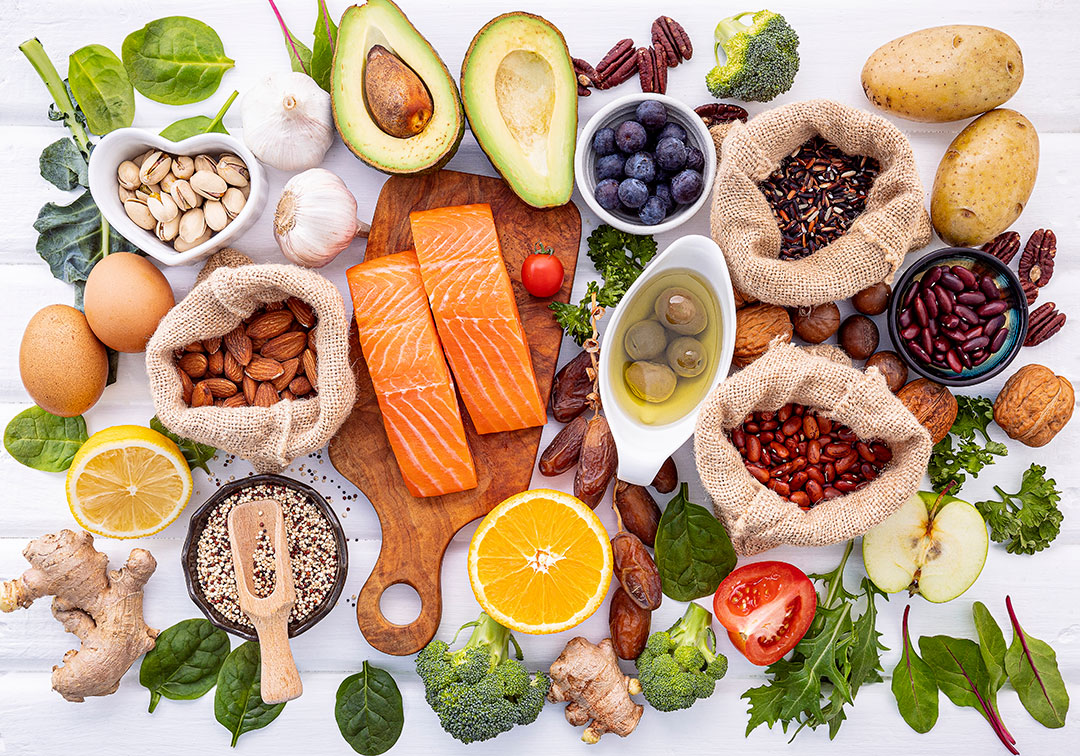
Introduction
Our immune system plays a critical role in defending the body against infections and illnesses. While genetics and other factors influence its strength, nutrition is a key contributor to immune health. A well-balanced diet rich in essential nutrients can strengthen the immune system, helping it function optimally. In this article, we will explore the intricate connection between nutrition and immunity, and provide practical tips on how to enhance your health through a balanced diet.
1. The Immune System: A Complex Defense System
a. First Line of Defense: The immune system is our body’s first line of defense against harmful pathogens like bacteria, viruses, and fungi.
b. Adaptive and Innate Immunity: It consists of adaptive (specific) and innate (non-specific) components that work together to identify and neutralize threats.
2. Nutrients Essential for Immune Health
a. Vitamins and Minerals
- Vitamin C: Known for its antioxidant properties, it supports the production and function of white blood cells.
- Vitamin D: Plays a crucial role in regulating immune function and reducing inflammation.
- Zinc: Supports the development and function of immune cells and helps maintain the integrity of the skin and mucous membranes.
- Selenium: Acts as an antioxidant, protecting cells from damage and aiding in immune response.
b. Protein: Essential for the production of antibodies and immune system proteins.
c. Omega-3 Fatty Acids: Have anti-inflammatory properties that can help modulate the immune response.
3. The Role of a Balanced Diet
a. Fruits and Vegetables
- Antioxidants: Fruits and vegetables are rich in antioxidants, which help reduce inflammation and protect immune cells.
- Fiber: Aids in gut health, where a significant portion of the immune system resides.
b. Lean Proteins
- Amino Acids: Protein sources like lean meats, poultry, and fish provide essential amino acids needed for immune cell production.
c. Whole Grains
- Complex Carbohydrates: Whole grains provide energy and support a balanced diet, indirectly benefiting the immune system.
d. Probiotics and Prebiotics
- Gut Health: Fermented foods with probiotics (like yogurt and kefir) and prebiotic-rich foods (like garlic and onions) promote a healthy gut microbiome, which is crucial for immune function.
4. Hydration and Immune Health
a. Water: Proper hydration is essential for overall health, including the function of immune cells.
b. Herbal Teas: Some herbal teas, such as green tea and ginger tea, contain compounds that may support immune function.
5. Avoiding Immune-Weakening Habits
a. Excessive Sugar: High sugar intake can weaken the immune system by impairing the function of white blood cells.
b. Processed Foods: Processed foods are often low in essential nutrients and high in additives that can negatively impact immunity.
c. Excessive Alcohol: Heavy alcohol consumption can disrupt immune function and impair the body’s ability to fight infections.
6. A Balanced Diet in Practice
a. Variety: Include a variety of foods in your diet to ensure you get a wide range of nutrients.
b. Moderation: Practice portion control and avoid overeating, which can strain the digestive system.
c. Meal Planning: Plan balanced meals that incorporate all food groups for a well-rounded diet.
d. Consult a Registered Dietitian: For personalized guidance on nutrition and immune health, consider consulting a registered dietitian.
7. Conclusion
A balanced diet is a fundamental pillar of a healthy lifestyle and plays a crucial role in supporting a strong and resilient immune system. By incorporating nutrient-rich foods, staying hydrated, and making mindful dietary choices, individuals can boost their immunity and reduce their susceptibility to illness. Prioritizing nutrition as a means of enhancing immune health is an investment in long-term well-being and a key step toward living a vibrant, healthy life.