
EdTech Innovations: How Technology is Enhancing Learning Experiences
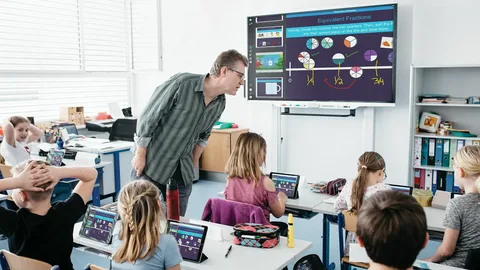
In the 21st century, technology has become a transformative force in education, revolutionizing the way students learn and teachers instruct. This article explores the latest innovations in Educational Technology (EdTech), highlighting how technology is enhancing learning experiences, fostering engagement, and shaping the future of education.
1. Personalized Learning Platforms: Tailoring Education to Individual Needs:
The article begins by delving into personalized learning platforms, which leverage technology to tailor educational content to the unique needs and learning styles of individual students. From adaptive assessments to customized lesson plans, personalized learning empowers students to progress at their own pace, fostering a more effective and personalized educational journey.
2. Virtual Classrooms and Online Collaboration: Connecting Learners Globally:
The rise of virtual classrooms and online collaboration tools has transformed the traditional classroom setting. This section explores how technologies like video conferencing, collaborative document editing, and virtual whiteboards enable students and educators to connect globally, facilitating remote learning and breaking down geographical barriers.
3. Gamified Learning: Making Education Fun and Engaging:
Gamified learning has emerged as a powerful tool to enhance student engagement. The article explores how game elements, such as points, badges, and interactive challenges, are incorporated into educational platforms to make learning fun and enjoyable. Gamification not only motivates students but also reinforces learning objectives.
4. Augmented Reality (AR) and Virtual Reality (VR) in Education: Immersive Learning Experiences:
AR and VR technologies are transforming education by providing immersive learning experiences. This section explores how students can virtually explore historical sites, conduct virtual science experiments, or even step into the shoes of characters from literature. These technologies bring subjects to life, making learning more memorable and engaging.
5. Artificial Intelligence (AI) in Education: Personalized Support and Insights:
AI is revolutionizing education by offering personalized support and valuable insights. The article discusses how AI-powered chatbots provide instant assistance to students, how AI analyzes learning patterns to offer tailored recommendations, and how educators can use AI to gain insights into student performance and adapt their teaching methods accordingly.
6. Interactive Digital Content: Moving Beyond Textbooks:
Digital content goes beyond traditional textbooks, offering interactive elements that engage students in a multimedia learning experience. This section explores the use of interactive videos, simulations, and multimedia content that cater to different learning styles, making complex concepts more accessible and enhancing overall comprehension.
7. Learning Management Systems (LMS): Streamlining Educational Processes:
Learning Management Systems play a crucial role in organizing and streamlining educational processes. The article explores how LMS platforms facilitate the administration of courses, grading, and communication between educators and students. These systems contribute to a more efficient and organized learning environment.
8. Blockchain in Education: Ensuring Transparent Credentials:
Blockchain technology is being explored to ensure the transparency and integrity of educational credentials. This section explores how blockchain can securely store and verify academic records, certificates, and degrees, providing a tamper-proof and universally accessible way to verify educational achievements.
9. Adaptive Assessment Tools: Real-Time Evaluation for Effective Learning:
Adaptive assessment tools use AI to adjust the difficulty of questions based on a student’s performance, providing real-time feedback. The article discusses how these tools enhance the assessment process, allowing educators to identify individual strengths and weaknesses and tailor instruction accordingly.
10. Social Learning Platforms: Fostering Collaboration and Knowledge Sharing:
Social learning platforms leverage the power of social media and collaboration tools to create online communities for students and educators. This section explores how these platforms facilitate knowledge sharing, collaborative projects, and discussions, creating a dynamic online learning environment that extends beyond the traditional classroom.
Conclusion: Shaping the Future of Education with Technology:
In conclusion, EdTech innovations are reshaping the landscape of education, making learning more accessible, engaging, and personalized. As technology continues to advance, the integration of these innovations into educational practices holds the promise of fostering a generation of learners who are not only well-equipped with knowledge but also possess the digital literacy and adaptability needed to thrive in the evolving world. Embracing these EdTech innovations ensures that education remains a dynamic and empowering experience for learners of all ages.