
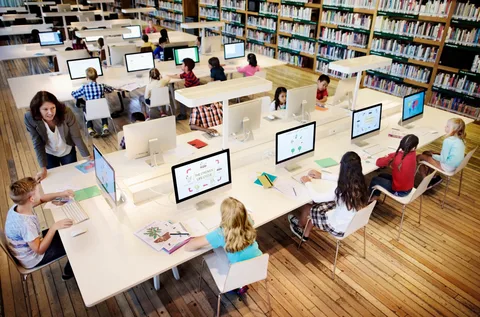
Education is a cornerstone of societal progress, equipping individuals with the knowledge and skills needed to thrive in an ever-evolving world. Central to the functioning of educational systems are education policies, a set of principles, guidelines, and laws that govern how education is delivered, assessed, and funded. These policies play a crucial role in shaping the quality, accessibility, and inclusivity of education. In this article, we’ll delve into the significance of education policy and how it impacts educational systems.
The Role of Education Policy
Education policies are not mere bureaucratic documents; they are powerful instruments that shape the future of nations. Here’s why education policy matters:
1. Ensuring Quality Education
Education policies set standards for curriculum, teaching methods, and assessment. They ensure that students receive a quality education that prepares them for future success.
2. Equity and Inclusion
Policies aim to provide equitable access to education, irrespective of socio-economic background, gender, or disability. Inclusive policies promote diversity and accommodate diverse learning needs.
3. Accountability and Evaluation
Policies establish mechanisms for evaluating educational outcomes and holding educational institutions accountable for their performance. This drives improvement and innovation.
4. Teacher Training and Development
Education policies address the qualifications, training, and professional development of teachers, recognizing their pivotal role in students’ learning experiences.
5. Funding and Resource Allocation
Policies determine how resources are allocated to educational institutions. Adequate funding is essential for creating a conducive learning environment.
6. Innovation and Adaptation
In a rapidly changing world, education policies must adapt to new technologies, pedagogical methods, and global challenges, fostering innovation in the education sector.
The Impact of Education Policy
Education policies have far-reaching effects on educational systems and society as a whole:
1. Academic Achievement
Well-designed policies can enhance student achievement and performance, leading to a better-educated workforce and increased economic productivity.
2. Social Mobility
Accessible and high-quality education promotes social mobility, allowing individuals to transcend socio-economic barriers and improve their life prospects.
3. Inclusivity
Inclusive policies foster diverse learning environments, promoting tolerance, understanding, and social cohesion.
4. Economic Development
An educated workforce drives economic development and innovation, attracting investment and creating opportunities for growth.
5. Global Competitiveness
Countries with strong education policies are better positioned to compete in the global economy, as a skilled workforce is essential for success in the knowledge-based industries of the 21st century.
6. Social and Civic Engagement
Education policies can cultivate active and informed citizens who participate in the democratic process, contributing to the strength of civil society.
Challenges in Education Policy
While education policies hold great potential for positive change, they also face challenges:
1. Political Influence
Education policies can be influenced by political agendas, potentially leading to policies that do not prioritize educational quality or inclusivity.
2. Resource Allocation
Budget constraints can limit the implementation of policies, affecting the availability of resources for education.
3. Changing Needs
Societal changes, technological advancements, and evolving workforce demands require policies to be adaptable and responsive.
4. Assessment and Accountability
Overemphasis on standardized testing as a measure of educational quality can limit the scope of education policies and encourage “teaching to the test.”
5. Inequality
Addressing educational inequality remains a significant challenge. While policies aim for inclusivity, disparities in access and quality persist.
Conclusion
Education policy matters because it shapes the future of societies by determining the quality and accessibility of education. Well-crafted policies can lead to increased academic achievement, social mobility, and economic development. However, the formulation and implementation of education policies are complex processes fraught with challenges. To maximize the positive impact of education policy, it’s essential to prioritize evidence-based approaches, stakeholder engagement, and a commitment to inclusivity and quality education for all. Ultimately, the future of nations and the well-being of their citizens depend on the strength and effectiveness of their education policies.