
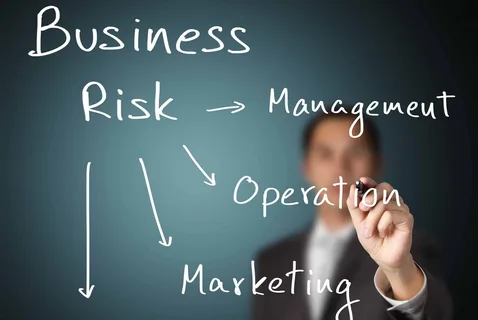
Risk is an inherent part of the business world. Whether you are a startup entrepreneur or the CEO of a multinational corporation, managing risks is critical to the sustainability and success of your business. In this comprehensive guide, we will explore the principles of risk management, the types of business risks, and effective strategies to mitigate and navigate them.
Understanding Business Risks
Business risks are potential events or situations that can have adverse effects on an organization’s objectives, operations, or financial health. These risks can stem from various sources and can be categorized into several broad types:
**1. Strategic Risks:
These risks arise from decisions regarding an organization’s goals, objectives, and competitive positioning. Examples include market shifts, competition, and changes in customer preferences.
**2. Operational Risks:
Operational risks result from internal processes, systems, or human factors. They include risks associated with supply chain disruptions, technological failures, and employee errors.
**3. Financial Risks:
Financial risks pertain to an organization’s financial health and stability. They encompass risks related to investments, credit, liquidity, and market fluctuations.
**4. Compliance and Regulatory Risks:
These risks stem from non-compliance with laws and regulations governing business operations. Fines, legal actions, and reputational damage can result from compliance failures.
**5. Reputational Risks:
Reputational risks are related to the perception of an organization by its stakeholders, including customers, investors, and the public. Negative publicity, scandals, or unethical behavior can harm a company’s reputation.
**6. Environmental and Social Risks:
In an increasingly socially conscious world, risks related to environmental sustainability, social responsibility, and ethical practices are of growing concern.
The Risk Management Process
Effective risk management involves a structured approach to identify, assess, mitigate, and monitor risks. Here’s a step-by-step guide to the risk management process:
**1. Risk Identification:
Identify potential risks by conducting a comprehensive assessment of your business, industry, and external environment. Engage stakeholders, including employees, to gain different perspectives.
**2. Risk Assessment:
Evaluate the likelihood and potential impact of identified risks. Prioritize risks based on their severity and relevance to your organization.
**3. Risk Mitigation:
Develop strategies and action plans to mitigate or minimize the impact of high-priority risks. This may involve process improvements, diversifying investments, or purchasing insurance.
**4. Risk Monitoring:
Establish a system for ongoing monitoring and assessment of risks. Regularly review your risk management strategies and make adjustments as needed.
**5. Risk Reporting:
Keep stakeholders informed about the organization’s risk profile and management efforts. Transparency is essential for building trust.
**6. Crisis Management and Response:
Prepare for crisis scenarios by having a well-defined crisis management plan in place. This includes communication strategies and procedures to address risks when they materialize.
Effective Risk Mitigation Strategies
While it’s impossible to eliminate all risks, organizations can employ various strategies to mitigate them effectively:
**1. Diversification:
Spread investments, clients, and suppliers to reduce reliance on a single source of revenue or exposure to a specific risk.
**2. Insurance:
Invest in insurance coverage tailored to your organization’s specific risks, such as liability insurance, business interruption insurance, and cybersecurity insurance.
**3. Contractual Protections:
Include risk mitigation clauses in contracts with suppliers, partners, and customers. These clauses can outline responsibilities and consequences in the event of certain risks.
**4. Risk Avoidance:
In some cases, the best strategy is to avoid the risk altogether. This may involve not pursuing certain business opportunities or discontinuing high-risk products or services.
**5. Risk Transfer:
Transfer certain risks to third parties through outsourcing, subcontracting, or other contractual arrangements.
**6. Internal Controls:
Implement robust internal controls and processes to reduce the likelihood of operational and financial risks, including fraud and errors.
**7. Scenario Planning:
Anticipate various scenarios, especially in times of uncertainty, and develop contingency plans for each.
Conclusion
Effective risk management is not a one-time task but an ongoing process. It requires a proactive and strategic approach that considers the diverse range of risks that can impact a business. By understanding the types of risks, following the risk management process, and implementing appropriate mitigation strategies, organizations can minimize the impact of risks and adapt to an ever-changing business landscape. Ultimately, successful risk management contributes to resilience, growth, and long-term sustainability.